

A RFID reader is a device which can track and identify things with radio signals. It operates using RFID tags. They are small labels that include an antenna and a microchip. When the reader and tag talk, the reader can collect the data stored by the tag without touching it. One of the main differences between barcodes and RFID is the fact that RFID is not dependent on the direct lines of sight. A tag can still be read through packaging or even when it's not evident. This allows RFID useful in busy warehouse environments where speed matters. It also helps build stronger traceability because item movement can be captured more often and requires less effort.
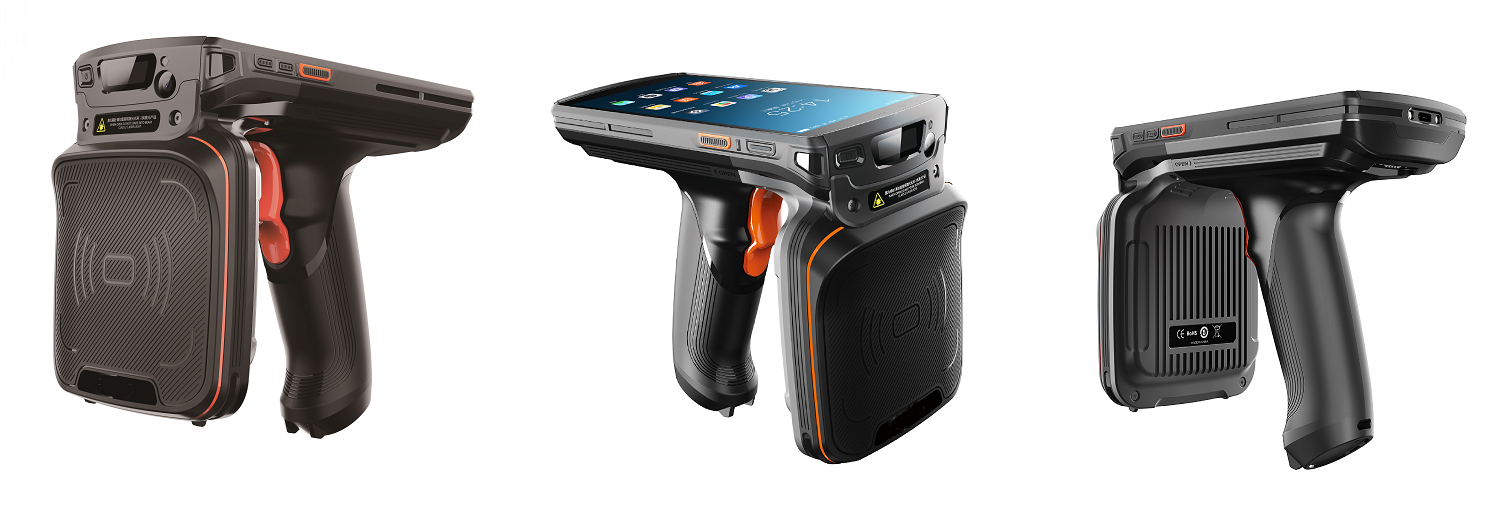
The mechanism of RFID scanning is simple when you can break it down into a single chain of events. The reader broadcasts an radio signal to the space where RFID tags could be located. A tag receives that signal, and then transmits its data stored to the reader. This data may include a product identifier the serial number, the batch number, or assigned location. The reader captures the response and sends it to the connected system. Software then records the event and updates tracking or inventory data. The whole process can be completed within a matter of seconds, and it can be repeated continuously throughout the day. Because the system does the scanning automatically the teams are able to spend less time doing routine scanning tasks.
Warehouses utilize RFID readers because they reduce friction in everyday routine tasks. Checking inventory is faster since employees do not have to scan each tag one at a time in perfect align. Accuracy increases because the system can collect IDs directly from tags rather than using manual transcription. The flow of merchandise entering or leaving the building can be logged automatically, that helps to reduce the errors in the documents. With fewer manual steps the chance of human error decreases and reconciliation becomes easier. Traceability also improves, which is important for audits, quality control as well as customer demands. In time, these benefits translate into more efficient logistics and fewer costly interruptions.
There are two main kinds of RFID Lettore that are commonly utilized in warehouse settings. Handheld RFID readers are portable devices that employees carry to perform immediate checks, finding items as well as counting cycles. They are useful in situations that require flexibility such as verifying stock in a specific aisle or confirming your list of items quickly. Fixed RFID readers are erected in place at gates and dock lanes, doors or in conveyor zones. They automatically read RFID tags when items pass through, creating a steady stream of tracking events. Fixed configurations are particularly useful for entry and exit points in which you need a consistent record without relying on a person to scan. A lot of operations use handheld as well as fixed readers to perform routine monitoring and targeted tasks. To find new information please check this great site
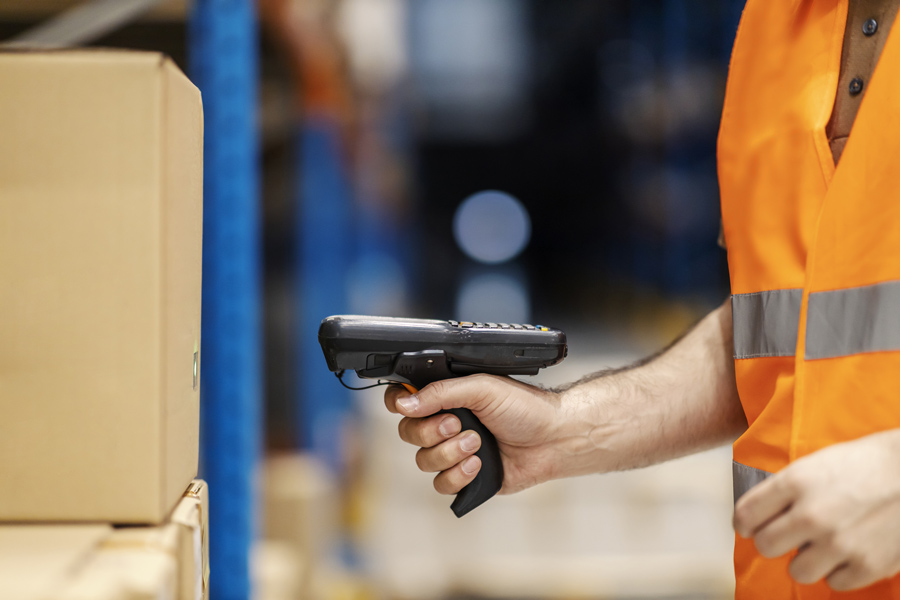
Imagine pallets passing through the docks of a loading. By using a permanent reader near the gate, every pallet is recorded as it exits or enters. This avoids arguments like "has it already left or is it still here?" The idea of periodic count is an exciting game changer. If you have a portable reader it is possible to move around and gather readings without opening each package. RFID also helps with internal resources like carts, tools, or other equipment that are moved between departments. If anything changes, you see it sooner instead of a week later. It reduces the loss as well as "gaps" that waste everyone's time.
To make RFID successful, the setup must match real workflows instead of putting them in opposition. Tags should be placed consistently in order to be readable throughout pick-up, storage and moving. The software should be configured to correctly interpret readings, and prevent confusion when objects are placed near to the read zone. Staff training matters too, because rough handling or poor placement can reduce read performance. Also, it is important to select the best locations for fixed readers depending on the way that goods come in, out, and exit. Many warehouses start with one location, and then discover what works, and expand once the results are stable. When implemented with care, RFID readers become an effective way of speeding up tracking, tighten the accuracy of inventory, and aid in warehouse automation.